

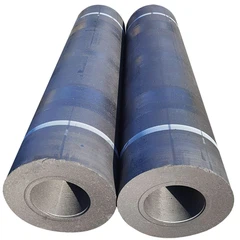
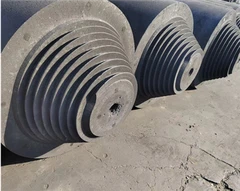

UHP600 graphite electrode analysis and solution for end block falling during EAF smelting
Jul 11, 2023
Deixa un missatge
1. Many steel plants encounter the problem of end block falling to some extent during the smelting of steel billets. During EAF smelting, the current of UHP600 electrode can reach around 90,000A, and the current density can reach about 25A/cm2. In the process of smelting, the cross-sectional area of UHP600 will gradually decrease. Under constant current conditions, with a decrease in electrode cross-sectional area and an increase in current density, the load-bearing capacity of the electrode increases. Combined with the strength exerted by the bottom part of electric arc furnace on electrodes, both external forces and internal forces acting on electrodes increase. Therefore, cracks may occur as well as end block falling or detachment. If this situation occurs and we continue to maintain a constant current while aiming to improve production capacity and output, it is inevitable that blocks at the bottom part will fall off.
2. Factors affecting end block falling or detachment include: oversized transformer capacity; three-phase imbalance; excessively high secondary voltage; excessively high secondary current; excessive oil consumption.
3. Solution: Gradually increase current during smelting process to reduce consumption rate. As melting progresses, gradually thin out electrode ends until they sublime away due to erosion from molten slag (which infiltrates into molten pool). Of course, electrode consumption is closely related to design characteristics and operating conditions specific to each electric arc furnace unit involved in this period - sudden increases in electrical currents should be avoided as much as possible since doing so effectively reduces electrode consumption rate.
Enviar la consulta